Spend even a short time around an oral or CMF operating room, and one thing becomes clear very quickly: maxillofacial surgical instruments matter more than people think. In maxillofacial surgery, the margin for error is small. Surgeons work in tight spaces, often close to nerves, vessels, and structures that affect how a patient speaks, eats, or even looks afterward. In that environment, instruments aren’t just tools—they’re trusted companions.
Most surgeons will tell you they notice immediately when an instrument doesn’t feel right.
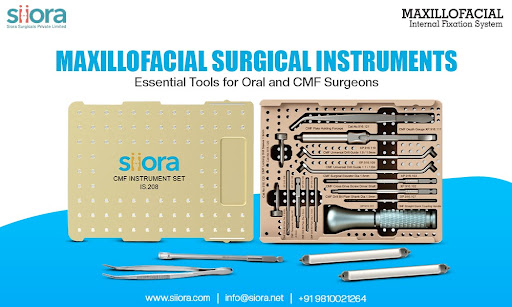
Precision Comes Before Power
Unlike orthopedic procedures, where force sometimes plays a role, CMF surgery is about control. Movements are measured. Pressure is calculated. That’s why maxillofacial instruments are designed differently from standard surgical tools.
They’re slimmer, more refined, and built to respond to subtle hand movements. When an instrument follows the surgeon’s intent without resistance or unpredictability, the entire procedure feels calmer and more controlled.
Soft Tissue Instruments Set the Tone
Every maxillofacial surgery begins with soft tissue handling. Scalpels, elevators, and fine scissors are used to expose bone while preserving the blood supply. This stage often determines how smoothly the rest of the surgery will go.
A well-made periosteal elevator, for example, glides rather than digs. Surgeons can feel the difference immediately. Over the course of a long procedure, that difference reduces hand strain and improves precision, especially when visibility is limited.
Holding Bone Without Fighting It
Once bone is exposed, reduction and stabilization take center stage. Retractors, reduction clamps, and bone holding forceps all aid in maintaining alignment during fixation. Even a small change can have an impact on facial symmetry or bite alignment in cases of facial trauma.
Good instruments don’t slip at the wrong time or crush bone while holding firmly. Surgeons depend on this stability, particularly when working in trauma settings under time constraints.
Confidence Is Needed for Drilling and Measuring
There is no room for speculation when drilling in the maxillofacial area. Depth gauges, guides, and drill bits must all function flawlessly. If a drill wanders or a measurement is off, nearby structures can be compromised.
When instruments are reliable, surgeons move with confidence. They don’t rush, but they don’t hesitate either. That balance is critical in CMF procedures.
Plate Adaptation Is an Art
Facial bones aren’t flat, and plates rarely fit perfectly without adjustment. Plate benders, plate holders, and screwdrivers are used constantly during fixation. Smooth bending tools allow surgeons to contour plates without weakening them.
A good screwdriver seats screws cleanly without stripping or wobbling. These details may sound minor, but during surgery, they save time and prevent frustration.
Visibility Depends on the Right Retractors
Maintaining a clear view is one of the biggest challenges in oral and CMF surgery. Cheek retractors, tongue retractors, and facial retractors play a quiet but critical role.
Retractors that are well-designed remain in position without applying undue force. They minimize soft tissue damage and lessen assistant fatigue. Surgeons have a strong preference for retractors that feel balanced and stable over time.
Ergonomics Are More Important Than You Might Think
CMF procedures frequently take several hours. Fatigue, tremor, or a loss of accuracy near the end of a case can result from poorly balanced instruments. For this reason, ergonomics is a major focus of contemporary maxillofacial instruments.
During lengthy procedures, lightweight design, textured grips, and good balance really help. Although they don’t discuss it much, surgeons experience it.
Trust Builds Over Time
Surgeons depend on instruments that behave the same way every time. Confidence is rapidly undermined by loose joints, dull tips, or uneven sizing. For this reason, a lot of people favor instrument sets made by companies that maintain high standards of quality. Surgeons can concentrate entirely on the patient rather than the tray when instruments function as intended.
Final Thoughts
Although they are rarely discussed outside of the operating room, maxillofacial surgical instruments influence all oral and CMF procedures. These instruments affect accuracy, productivity, and results from the initial incision to the last fixation. Surgeons can operate with confidence when their trauma instruments are well-designed and consistently dependable, and patients gain from this trust.