For many brands, the ability to connect with consumers across multiple countries is a primary objective. In today’s world, where companies are going from local to global, robust international SEO is crucial. It allows you to be seen in the best regions, reaching the greatest audience, and obtaining longevity in visibility. With professional help from experts like theseopros or mentoring from a seasoned seo consultant in Sydney, businesses have what it takes to simplify and optimize international expansion.
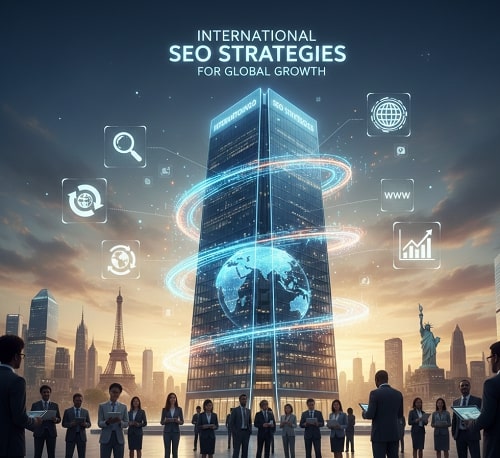
Understanding International SEO
Global SEO is the translation of your website into other languages: Search engines can then put your site in front of users who speak those languages. It makes sure your content is tailored for specific markets. If this is done properly, even users from other territories will tend to be able to find your business, even when they have different searching habits or languages.
The aim is to make your site more friendly for a wider audience. That includes the technical installation as well as cultural nuances and regional content.
Hreflang tags are one of the most important aspects in international SEO. They signal to search engines which version of a page is intended for each language or region. This will prevent confusion, duplicate content issues, and ranking issues.
Like, you might want one page in for the UK and another for the US. Hreflang tags assist Google in showing the correct version to the correct searchers. This would also enhance customer satisfaction and get your site ranked in various locations. Give Alternate Links/Target Users Based On Geolocation in order to improve the user experience, use geo-targeting by providing alternate links for users or target them based on geographic location.
Localizing Content for Different Markets
People in different countries want and shop for different things. Localized content respects these differences. It is not just translation. It’s about taking content and molding it into cultural tone, local slang, and regional values.
A seo consultant Sydney can also make content more tailored to an international audience, while keeping brand voice intact. Content that comes across naturally and is highly relevant to local readers gets better engagement and conversion rates.
Optimizing for Local Search Engines
Not every country is powered by Google as the major search engine. China uses Baidu. Russia uses Yandex. South Korea uses Naver. Both platforms have their own set of ranking rules.
The search engines that your target market uses to look for results should correspond with your international SEO approach. This also means a technical setup, inbound links, and keywords are tailored for each platform. Professionals such as these experts can provide valuable advice on which method is right for your particular area to ensure that your web page remains accessible to all users.
Choosing the Right URL Structure
Each option has benefits. ccTLDs inspire confidence in individual countries. Subdomains organize content cleanly. Subfolders are clean and well-organised. The right structure depends on what your goals are, the resources you have available, and who your audience is.
Building Strong Local Backlinks
Local site backlinks allow search engines to appreciate your relevance in a local region. When well-established websites from a particular country are linking back to you, Google gives more credence to your business in that locale.
To build these links, partner with local bloggers, businesses, media, and niche websites. This is time-consuming but has a powerful effect on global ranking.
Understanding Local User Behavior
Parts of the country have different online habits. Some prefer mobile browsing. Still others use social for product discovery only. Payment methods also vary.
If you own property on each one, you can study how the market behaves and update your siting, layout, and flow. This will keep users on your pages for longer, encouraging them to complete purchases or sign up.
Creating Region-Specific Keyword Strategies
People search differently in other countries. They have different terminology, spelling, and phrases. What good international SEO does is develop individual keyword research for each market you’re going after.
For instance, “holiday” and “vacation” mean the same thing but in different regions. Study: Make sure you fit into the local search style. This raises your profile and makes you visible to a wider local user base.
Tracking and Measuring Global Performance
Make sure to watch how your site is doing across the regions. Check the rankings, traffic, conversions, and local engagement. There are tools like Google Search Console that can tell you which countries your pages rank in.
Keeping track regularly, you will be able to see what works and where you need some improvement. Proper insights can help you adjust your strategy for the best long-term results.
Conclusion
If you want to grow globally, you need to have a smart international SEO strategy. With targeted localization, smart technical implementation, and region-based keyword strategies, your website can clothe itself as a local in any corner of the world. Experienced advice from experts like theseopros or the proficient seo consultant Sydney has streamlined this process. With good global SEO, you can grow, at home and anywhere else you want to be visible.