Exercising with a good pair of bluetooth headphones can take a good session and make it great. If you are doing sprints, lifting, or HIIT, you want sweat-proof Bluetooth headphones that stay put, sound good, and survive the deluge of effort. This guide helps you work out what matters, compares key features, and shows how to make an informed decision so you do not pay for more than sweating to beat on your favorite tracks.
Why sweat resistance and fit are so important
Because music and movement interact, moisture and motion become the two weakest links. Sweat will slowly degrade drivers and charging connections, and a poor fit turns even high-end Bluetooth headphones into a nuisance. Look for sweat-resistant Bluetooth headphones with a certified ingress protection rating, a snug fit from ear tips or secure ear hooks, and breathable materials. These practical features preserve sound quality and protect your investment.
How to shop for exercise Bluetooth headphones
Begin with the IP rating. An IPX4 rating indicates splash resistance and should be good enough for light sweat. If you are training in heavy rain or want to rinse the headphones after exercise, an IPX7 rating or better is what you want.
Next consider battery life. For most people, six to twelve hours of playtime per charge is ideal for multi-day use. Comfort and stability are also crucial. Silicone ear tips, memory-foam cushions, or light ear-hooks can make a big difference during repeats or long training blocks.
Connectivity matters as well. Modern Bluetooth profiles and support for higher-quality codecs reduce dropouts and improve audio performance. Finally, check controls and voice assistant compatibility so you can skip tracks or take calls without disrupting your workout flow.
In-depth comparison of essential features
Sound signature
Bright, energetic tuning often works best for workouts because it helps maintain pace and motivation. If you prefer bass-forward mixes, choose Bluetooth headphones with punchy low end that is not muddy. For podcasts and coaching apps, prioritize midrange clarity, which carries most of the vocal content.
Durability and cleaning
Materials that withstand salt and grime are a must. Sealed charging ports or waterproof covers help avoid corrosion. After heavy sessions, wipe down ear tips and charging contacts and allow the headphones to air dry before recharging.
Stability and ergonomics
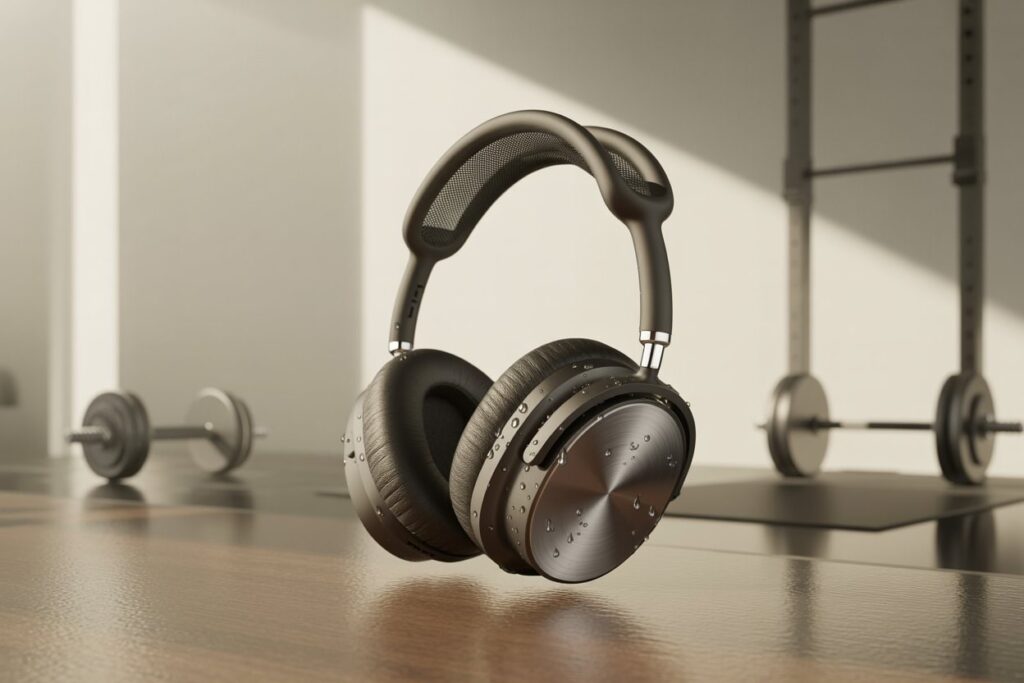
True wireless models designed for fitness typically include winged tips or over-ear hooks to prevent slippage during lateral movement. If you prefer on-ear comfort, over-ear Bluetooth headphones with breathable padding are an alternative, though they tend to be bulkier.
Latency and use case
If you are pairing headphones with a smartwatch or an exercise bike, low latency is less critical. Gamers and users of video-based training will benefit from codecs and devices that minimize lag.
Price versus longevity
Budget sweat-resistant Bluetooth headphones can be fine for occasional exercise, but regular trainers will usually get better seals, longer battery life, and stronger warranties from midrange or premium models.
Real-world tip from a decade of testing
In tests of dozens of Bluetooth headphones, the best balance of value and reliability came from midpriced true wireless models with replaceable ear tips and at least IPX6 protection. After three weeks of interval sessions with one model, simply wiping and airing them after each run kept clarity and pairing stable without dropouts. The habit of drying and storing them in a ventilated case extended lifespan compared with storing damp headphones in a closed pouch.
Practical maintenance and buying advice
Remove silicone tips periodically to clean sweat and earwax. Use a soft cloth and a small amount of isopropyl alcohol on non-porous surfaces, and avoid soaking drivers. Replace ear tips when elasticity degrades. Choose models with replaceable parts and check manufacturer warranties for explicit coverage of water damage if you sweat heavily.
Conclusion
The ideal fitness Bluetooth headphones with a sweat-proof rating combine IP protection, a secure fit, sufficient battery capacity, and durable construction. Whether you prefer buds that disappear into your ear or larger around-the-ear models, prioritize real-world toughness and the option to repair or replace parts. A thoughtful choice will deliver consistent sound, fewer interruptions, and gear that outlasts tough workouts.
FAQs
What is the minimum IP rating I should look for in sweatproof Bluetooth headphones?
IPX4 handles light sweat and splashes and is sufficient for indoor gyms. For outdoor training or heavy-sweat athletes, aim for IPX6 or IPX7 for better long-term protection and the ability to withstand rain.
Is it okay to wash Bluetooth headphones after workouts?
Do not immerse most Bluetooth headphones unless they are explicitly rated for immersion. Wipe them with a damp cloth, air-dry the tips, and avoid spraying water into ports. If the manufacturer permits, remove tips and wash those separately.
Are over-ear Bluetooth headphones better than true wireless buds for workouts?
Over-ear options offer stability and longer battery life but are heavier and can become warm. True wireless buds are lighter and often more secure for running, especially when fitted with wings or memory foam tips. Choose based on your sport and comfort preference.
How often should I change ear tips on my Bluetooth headphones?
Replace ear tips when they lose elasticity, become misshapen, or are visibly dirty. For regular users, changing ear tips every six to twelve months helps maintain hygiene and fit.
Do sweat-proof Bluetooth headphones compromise on sound quality?
A proper sweat-resistant design should not compromise sound quality. Quality fitness earbuds balance water-resistant engineering with tuned drivers to preserve clarity and bass.